How Long does Driveway Sealer need to Dry Before Rain ?
🇨🇦Driveway Sealing Tips Pavage Gatineau Earnanswers
+1 (819) 485 1489Driveway Sealing Tips Pavage Gatineau Earnanswers
+1 (819) 485 1489Timing is everything when it comes to driveway sealing, especially when unpredictable weather is in the forecast. If you've just applied sealer to your asphalt driveway, the last thing you want is for a sudden rain shower to ruin all your hard work. Understanding how long does driveway sealer need to dry before rain is crucial for achieving a durable, long-lasting finish that protects your investment.
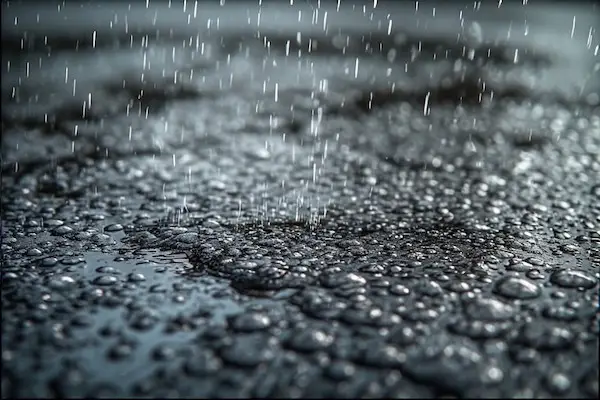
Before diving into specific timelines, it's important to understand why rain poses such a threat to freshly applied sealer. Driveway sealers are formulated to create a protective barrier by bonding chemically and mechanically with the asphalt surface. This bonding process requires time—time for the water and solvents in the sealer to evaporate, and time for the polymers and binders to cure into a solid, protective film.
When rain hits uncured sealer, several problems occur:
Knowing how long for driveway sealer to dry before rain helps you avoid these costly mistakes and ensures your sealing project delivers the protection and curb appeal you expect.
There's no single answer to how long after driveway sealing rain becomes safe because several variables influence drying and curing times. Understanding these factors helps you make informed decisions about when to seal and when to postpone.
Different sealer formulations have different drying characteristics:
Always check the manufacturer's technical data sheet for specific recommendations on how long after sealcoating can it rain for your particular product.
Weather conditions dramatically impact drying time. The ideal sealing weather includes:
Now that you understand the factors at play, let's address the central question: how long does driveway sealer need to dry before rain? While exact timelines vary, here are general guidelines based on sealer type and conditions.
For a light drizzle or mist, most driveway sealers need at least:
These times assume optimal conditions: temperatures above 70°F (21°C), humidity below 60%, and gentle air movement. If conditions are less than ideal, add 50% to these estimates.
Heavy rain is much more destructive to fresh sealer. The impact of large raindrops and the volume of water can overwhelm even partially cured surfaces. For protection against heavy downpours:
Remember that how long for driveway sealer to dry before rain depends on more than just surface dryness. The sealer may feel dry to the touch but still be soft enough for rain to damage it. True rain resistance only develops once the sealer has fully cured, which can take days or even weeks.
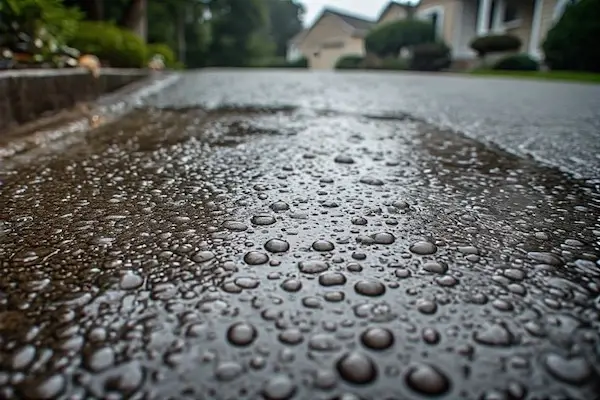
Understanding the curing process hour by hour helps you assess how long after driveway sealing rain poses a threat to your work.
During the first two hours after application, sealer is completely liquid or gel-like. Any rain during this period will almost certainly ruin the finish. The sealer will wash away, pool unevenly, or mix with rainwater to create a thin, ineffective layer. If rain is forecast within two hours of your planned application, postpone the project.
The sealer begins to form a thin surface skin while remaining liquid underneath. Light mist might not penetrate, but any significant rainfall will break through this delicate surface layer. At this stage, how long after sealing driveway can it rain safely? Still not recommended—even light rain can cause pitting and surface defects.
Most quality sealers become tack-free within 4-8 hours under good conditions. The surface feels dry to the touch, but the sealer beneath remains soft. Light rain may bead up and roll off without causing damage, but heavy rain can still penetrate and soften the partially cured material. This is the minimum window for rain resistance, not a guarantee of safety.
The sealer continues hardening and developing its full protective properties. By 12-24 hours, most sealers can withstand light to moderate rain without significant damage. However, avoid any traffic or mechanical stress on wet surfaces.
Complete curing takes 2-3 days for most driveway sealers, and up to a week for some heavy-duty formulations. Once fully cured, the sealer provides maximum protection against rain, UV rays, and traffic. This is the true answer to how long after sealcoating can it rain without any risk whatsoever.
Rather than watching the clock constantly, learn to recognize visual and tactile cues that indicate your sealer has dried sufficiently to withstand rain.
Test a small, inconspicuous area—preferably near the edge of the driveway:
Remember that these tests only check surface dryness, not full cure. The sealer may pass these tests yet still be vulnerable to heavy rain penetration.
Despite your best planning, sometimes Mother Nature doesn't cooperate. If you're wondering how long after driveway sealing rain becomes a problem, the answer is simple: any rain within the first 24 hours can cause issues, but the severity depends on when it falls. Understanding what happens helps you assess damage and plan corrective actions.
If rain falls within the first two hours of application, the damage is usually severe and obvious. You'll likely see:
In most cases, severely rain-damaged sealer must be completely removed and reapplied. Trying to apply another coat over washout patterns rarely works, as adhesion will be compromised.
Rain that falls after the sealer has begun drying creates different problems:
This type of damage may be correctable with a second coat once the surface dries completely, but results aren't guaranteed.
Sometimes the threat isn't heavy rain but persistent mist or fog. Even light moisture can cause problems if it continues for hours:
When you've committed to a sealing project and unexpected rain threatens, you need quick action. Here's how to protect your investment when answering the question how long does driveway sealer need to dry before rain becomes an emergency.
Prevention is always better than cure. Before mixing a single gallon of sealer:
The best answer to how long for driveway sealer to dry before rain is to ensure you have at least 24 hours of clear weather before starting.
If you're already applying sealer and see threatening clouds:
When rain is imminent, these temporary measures can save your sealer:
These measures are temporary and should be removed as soon as the rain passes to allow proper drying and curing.
Sometimes, despite your best efforts, rain wins. If you wake up to find your beautiful new sealer damaged by an overnight shower, don't panic. Depending on the extent of the damage, you may be able to salvage the situation without completely starting over.
Once the rain stops and the surface has dried completely (wait at least 24-48 hours), evaluate the condition carefully:
Based on your assessment, consider these approaches:
When in doubt, consult with a professional who can evaluate whether how long after driveway sealing rain caused permanent damage or just cosmetic issues.
While many homeowners successfully seal their own driveways, understanding how long does driveway sealer need to dry before rain is just one aspect of professional-grade results. Consider calling experts when:
Professionals bring experience, commercial-grade equipment, and products that often outperform retail options. They also understand local weather patterns and can schedule work during optimal windows.
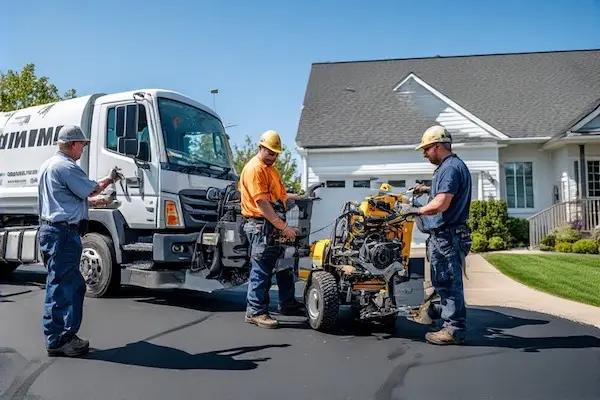
As you plan your driveway sealing project, keep these essential tips in mind:
Remember that patience pays off. Waiting an extra day or week for perfect weather conditions is always better than rushing into a project that rain will destroy. The question isn't just how long after sealing driveway can it rain, but whether you're willing to risk your time, money, and effort on uncertain weather.
Understanding how long does driveway sealer need to dry before rain is essential knowledge for any homeowner tackling a sealing project. While general guidelines suggest 4-8 hours for light rain resistance and 24-48 hours for complete protection, the real answer depends on your specific sealer type, weather conditions, and the intensity of forecasted rainfall.
The safest approach is to plan for at least 48 hours of completely dry weather after application. This window ensures your sealer has adequately cured to withstand not just rain, but also foot traffic, vehicles, and the daily wear that driveway surfaces endure. Remember that sealer continues curing for weeks after application, with full durability developing over time.
By respecting the drying and curing process, monitoring weather carefully, and having emergency protection plans ready, you can achieve professional-quality results that protect and beautify your driveway for years to come. Whether you choose DIY or professional application, the principles of proper drying remain the same: give your sealer the time it needs to do its job.
If you need asphalt services in the Gatineau and Ottawa area, you can contact Pavage Gatineau Earnanswers at +1 (819) 485 1489.
Copyright © 2024
| Powered by: Earnanswers 4982