How Long does Sealer Take to Dry on Concrete ?
🇨🇦Concrete Sealing Tips Pavage Gatineau Earnanswers
+1 (819) 485 1489Concrete Sealing Tips Pavage Gatineau Earnanswers
+1 (819) 485 1489Applying sealer to your concrete surfaces—whether it's a driveway, patio, garage floor, or parking lot—is an excellent way to protect against stains, weather damage, and wear. However, one of the most common questions homeowners and property managers ask is: how long does sealer take to dry on concrete? Understanding concrete sealer drying time is essential for planning your project and avoiding costly mistakes. This guide will answer all your questions about how long does concrete sealer take to dry and how long does concrete sealant take to dry under various conditions.
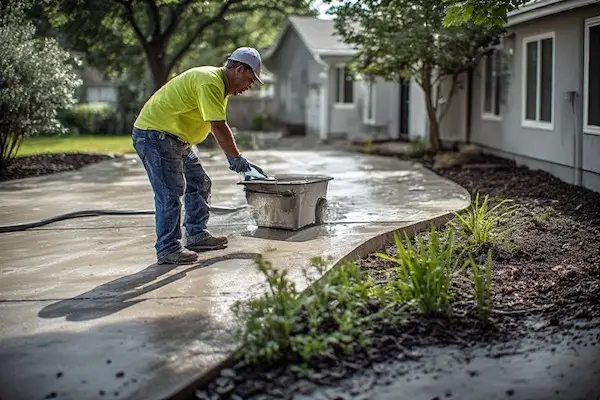
Knowing how long does sealer take to dry on concrete isn't just about patience—it directly affects the quality and durability of your finished surface. Applying sealer correctly requires understanding the difference between drying and curing, and respecting both processes.
Before diving into specific timelines, it's important to understand two distinct phases:
Both phases matter when planning your project and determining when you can safely use the surface.
If you don't wait long enough for your sealer to dry, several problems can occur:
Understanding concrete sealer drying time helps you avoid these frustrating and costly outcomes.
There's no single answer to how long does concrete sealant take to dry because several variables influence drying speed. Here are the most important factors to consider.
Different sealer formulations have dramatically different drying characteristics. This is the single most important factor in determining how long does sealer take to dry on concrete.
Environmental conditions significantly impact concrete sealer drying time:
When planning your project, check the forecast and choose a day with mild temperatures, moderate humidity, and no rain expected for at least 48 hours.
Now that you understand the factors at play, let's provide specific answers to the question how long does sealer take to dry on concrete for the most common sealer types. These timelines represent general guidelines—always check the manufacturer's recommendations for your specific product.
Acrylics are among the most popular concrete sealers for decorative surfaces like stamped concrete, patios, and driveways. When asking how long does concrete sealer take to dry for acrylics, here's what to expect:
Acrylic sealers dry primarily through solvent or water evaporation. In warm, dry conditions, they can dry at the faster end of these ranges. High humidity will extend all drying times significantly.
Epoxy systems are two-part products that cure through chemical reaction rather than just evaporation. This means concrete sealer drying time for epoxies follows a different pattern:
Epoxies are temperature-sensitive—colder temperatures can dramatically slow the chemical reaction, while temperatures below 50°F (10°C) may stop it entirely.
Polyurethanes offer excellent durability and chemical resistance. For those wondering how long does concrete sealant take to dry for polyurethane products:
Like epoxies, polyurethanes cure through chemical reaction and are sensitive to temperature and humidity.
Penetrating sealers (also called densifiers or impregnators) work differently—they absorb into the concrete rather than forming a surface film. This affects how long does sealer take to dry on concrete for these products:
Penetrating sealers may appear dry quickly because the liquid absorbs, but the chemical reaction with the concrete takes much longer.
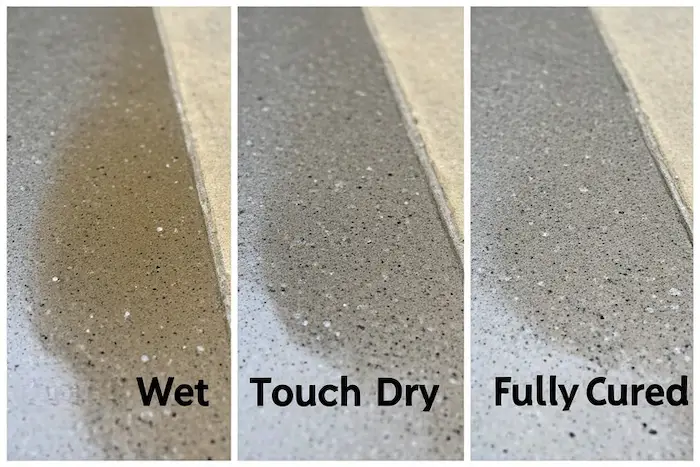
To help you visualize concrete sealer drying time from application to full usability, here's a general timeline applicable to most standard acrylic and water-based sealers under ideal conditions.
Immediately after application, the sealer appears wet and glossy. The surface is extremely vulnerable—any contact, dust, or moisture will cause permanent damage. The strong odor (for solvent-based products) is strongest during this period.
The sealer begins to lose its wet appearance but remains tacky to the touch. It may look dry in some areas while remaining wet in others. During this stage, the sealer is still vulnerable to footprints, insects, and debris. When asking how long does concrete sealer take to dry to a safe state, you're still hours away.
Most acrylic and water-based sealers become touch-dry within 3-6 hours. The surface no longer feels tacky and has achieved its final appearance. However, the sealer remains soft underneath. Light foot traffic with extreme care might be possible, but it's not recommended. This is typically when you can apply a second coat if needed.
At this stage, the answer to how long does concrete sealant take to dry for basic touch-dry status is 3-6 hours, but full protection is still days away.
The sealer continues hardening and bonding with the concrete. By 12-24 hours, most sealers can withstand light, careful foot traffic. However, avoid moving furniture, parking vehicles, or any activity that could scratch or indent the surface. The sealer is still achieving only about 50-60% of its final hardness.
After 24-72 hours, most sealers can handle foot traffic and even vehicle traffic (for driveway sealers). However, avoid dragging heavy items, parking the same spot repeatedly, or exposing the surface to chemicals. The sealer is now at about 80-90% of its final properties.
Complete curing takes anywhere from 3 days to 2 weeks depending on the sealer type and conditions. During this period, the sealer reaches its maximum hardness, chemical resistance, and durability. Only after full cure should you consider the surface completely protected. This is the true answer to concrete sealer drying time for achieving maximum performance.
Rather than just watching the clock, learn to recognize when your sealer has reached key milestones in the drying process.
Remember that passing these tests indicates surface dryness, not full cure. The sealer may be dry to touch but still vulnerable to traffic and heavy use.
Beyond sealer type, environmental conditions play a massive role in determining how long does concrete sealant take to dry. Even the fastest-drying product can take twice as long in poor conditions. Understanding these factors helps you plan your project and adjust expectations.
Temperature is perhaps the most critical environmental factor affecting concrete sealer drying time.
When planning your project, remember that how long does sealer take to dry on concrete depends more on surface temperature than air temperature.
Humidity directly impacts evaporation rates for water-based and solvent-based sealers.
In humid conditions, add 25-50% to expected concrete sealer drying time.
Air movement aids evaporation but must be managed carefully.
Proper ventilation also addresses safety concerns—solvent-based sealers release flammable and potentially harmful vapors that need to disperse.
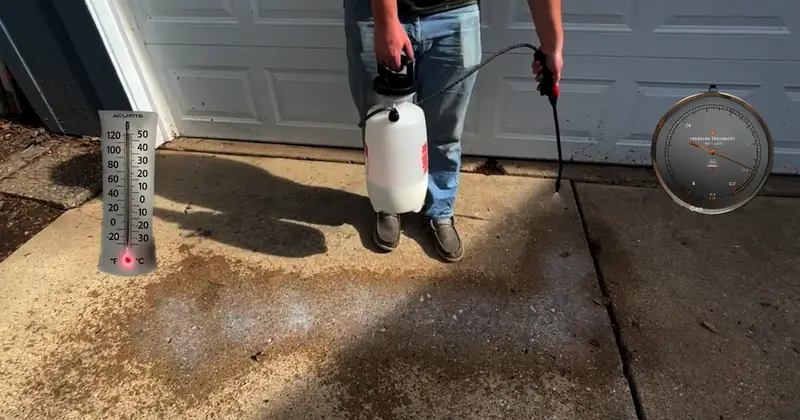
The intended use of your concrete surface affects how long you must wait before putting it back into service. Here's what to expect for common applications when asking how long does concrete sealer take to dry.
Driveways face vehicle traffic, which is demanding on fresh sealer. For those wondering how long does sealer take to dry on concrete driveways:
Remember that how long does concrete sealant take to dry for vehicle traffic is significantly longer than for foot traffic.
Garage floors present unique challenges because they combine vehicle traffic with storage and workshop activities.
For garage floors, the answer to concrete sealer drying time before full use is typically 7-14 days.
Decorative concrete surfaces like patios and pool decks often use acrylic sealers that dry relatively quickly.
Commercial applications often use epoxy or polyurethane systems with longer cure times but higher durability.
An often-overlooked factor in how long does sealer take to dry on concrete is the moisture already present in the concrete before you start. Concrete contains moisture that can affect sealer adhesion and drying.
Before applying sealer, test your concrete for excessive moisture:
New concrete typically needs 28 days to cure before sealing. Older concrete can absorb moisture from the ground, especially in basements or during wet seasons. Sealing over damp concrete extends concrete sealer drying time and risks adhesion failure.
Addressing moisture before sealing ensures your how long does concrete sealant take to dry question has a successful answer.
Sometimes you need your concrete sealer to dry faster than natural conditions allow. While you should never rush the process to the point of compromising quality, there are safe ways to optimize how long does sealer take to dry on concrete.
The fastest drying starts before you open the first bucket:
How you apply the sealer affects concrete sealer drying time:
Once the sealer is down, these techniques can help without damaging the finish:
Remember that accelerating drying is different from accelerating cure. While you can speed evaporation, the chemical bonding that gives sealer its durability takes time and cannot be rushed.
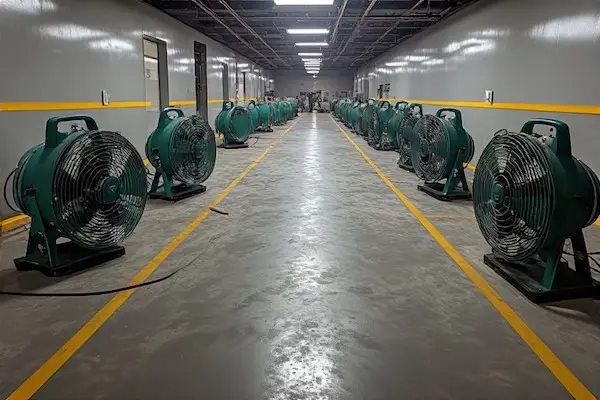
Avoid these errors that can dramatically increase how long does sealer take to dry on concrete or ruin your project entirely.
The most common mistake homeowners make is applying sealer too thickly, thinking more product means more protection. In reality, thick sealer applications:
Always follow the manufacturer's recommended coverage rate. Thin, even coats are the secret to proper concrete sealer drying time and professional results.
Ignoring weather conditions is a recipe for disaster. Applying sealer:
Check forecasts carefully and be willing to postpone if conditions aren't ideal. Patience pays off with better results and actually faster overall project completion.
Dirty, oily, or damp concrete prevents proper sealer adhesion and slows drying. The sealer sits on top of contaminants rather than bonding with the concrete. Proper cleaning and drying before application actually speeds the overall process by ensuring the sealer performs as intended.
For sealers requiring multiple coats, timing matters:
Follow the manufacturer's recoat window precisely—typically when the first coat is dry to touch but not fully cured.
Understanding how long does sealer take to dry on concrete is essential for any successful concrete sealing project. The answer varies widely based on sealer type—from 1-3 hours for fast-drying acrylics to 12+ hours for epoxies—and is significantly influenced by temperature, humidity, and application technique.
Remember the key distinctions between surface drying and full curing. A sealer may feel dry to touch within hours but remain vulnerable to traffic, moisture, and wear for days or weeks. Respecting these timelines ensures your sealer achieves its maximum protective potential and delivers the durability and appearance you expect.
For concrete driveways, garages, patios, and commercial floors, the investment in proper drying time pays dividends in extended surface life and reduced maintenance costs. Whether you're a DIY homeowner or managing commercial properties, patience during the drying process is the secret to professional-quality results.
When planning your next concrete sealing project, consider all the factors we've discussed: sealer type, weather conditions, surface preparation, and intended use. With this knowledge, you can confidently answer the question how long does concrete sealant take to dry for your specific situation and plan accordingly.
If you need asphalt services in the Gatineau and Ottawa area, you can contact Pavage Gatineau Earnanswers at +1 (819) 485 1489.
Copyright © 2024
| Powered by: Earnanswers 4982